Bahia Palace History & Saadian Tombs: A Walk Through Royal Marrakech
May 5, 2026 · AtlasVibe Editorial Team

A Glimpse into Royal Marrakech
Marrakech, the "Red City," is a vibrant tapestry of history, art, and culture. Within its UNESCO-listed medina lie jewels of its imperial past: palaces of unimaginable opulence and tombs that whisper tales of bygone dynasties. This is more than a sightseeing list — it's a journey through power, artistry and spirituality. For more medina context see our Marrakech Medina Guide: Souks, Palaces & Hidden Gems.
The Grandeur of Bahia Palace: A Deep Dive into its History
"Bahia" means "brilliance," and the Bahia Palace history is one of concentrated power and artistic ambition in the late 19th century — a breathtaking example of Alaouite architecture and Moroccan craftsmanship.

The Vision of Grand Vizier Ba Ahmed
The palace was built between 1894 and 1900 by Grand Vizier Ahmed ben Moussa (Ba Ahmed), who funneled the kingdom's finest artisans into creating a sprawling residence for himself, his four wives, and 24 concubines. Its labyrinthine layout was designed to confuse and impress visitors.
Architectural Marvels & Symbolism
What makes the Bahia Palace an unmissable part of Marrakech tourism is its decorative detail: exquisite zellij mosaic tilework, carved stucco, and painted cedarwood ceilings. Geometric patterns, arabesques, and Quranic inscriptions cover every surface.
Navigating the Saadian Tombs: A Visitor's Guide
Sealed for centuries and rediscovered in 1917, the Saadian Tombs are a solemn counterpoint to the Bahia's residential splendor. This royal necropolis dates back to the late 16th-century reign of Sultan Ahmad al-Mansur. This Saadian Tombs guide ensures you grasp the history within.
Rediscovery of a Lost Necropolis
After the fall of the Saadian dynasty, the Alaouite rulers walled off the tombs. Their rediscovery via aerial photography in 1917 revealed an untouched treasure trove of Saadian art.

The Hall of Twelve Columns
The centerpiece houses the tomb of Sultan Ahmad al-Mansur, featuring Italian Carrara marble and gilded cedarwood. Surrounding gardens hold the graves of over 60 other Saadian princes, wives, and trusted servants.
The Koutoubia Mosque: A Beacon of Marrakech
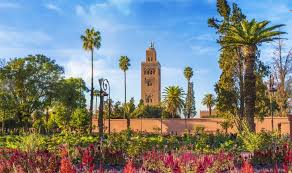
The minaret of the Koutoubia Mosque landmark is the city's most iconic structure. Built in the late 12th century, it served as the model for the Giralda in Seville. Non-Muslims cannot enter, but its surroundings are an essential stop.
Planning Your Visit to Marrakech's Royal Gems
Bahia Palace and the Saadian Tombs sit close together in the southern medina — easy to combine in one morning.
Timing, Tickets, and Tours
Visit early to avoid crowds. A guided tour brings the Bahia Palace history alive. Book our Marrakech City Private Tour for a seamless experience.
FAQ
Best time of day to visit?
Early morning or late afternoon to avoid crowds and heat.
How much time should I allocate?
1.5–2 hours for Bahia Palace, 45–60 minutes for the Saadian Tombs.
Is there a dress code?
Yes — modest clothing covering shoulders and knees is recommended.
Can I take photographs?
Personal photography is allowed, but flash may be restricted in some areas.
Are these sites wheelchair accessible?
Bahia Palace is partially accessible; the Saadian Tombs have narrow paths and steps.